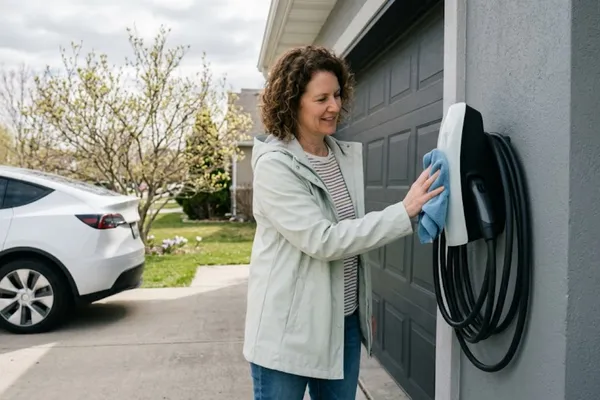
Spring Cleaning for Chargers: 3 Things to Check on Your Outdoor Unit After a Florida Winter
In Florida, winter might just mean a few weeks of light jackets and lower humidity, but for your outdoor EV charger, the change in seasons is a big deal.
While our northern neighbors are worried about snow and ice, Florida homeowners have to contend with something just as tough on electronics: the shift from the "dry season" dust and wind to the "wet season" humidity and the return of our famous backyard pests.
Before the spring storms and summer heat arrive, take 10 minutes this weekend to perform a "spring cleaning" on your outdoor unit. Here are the three most critical things to check to ensure your charger is safe and ready for the 100°F Florida sun.
1. The "Critter Clearance": Check for Nests & Debris
During the cooler winter months, the interior of an outdoor charger or the gap behind the mounting bracket is a five-star hotel for Florida pests. As things warm up, these "guests" can cause real electrical issues.
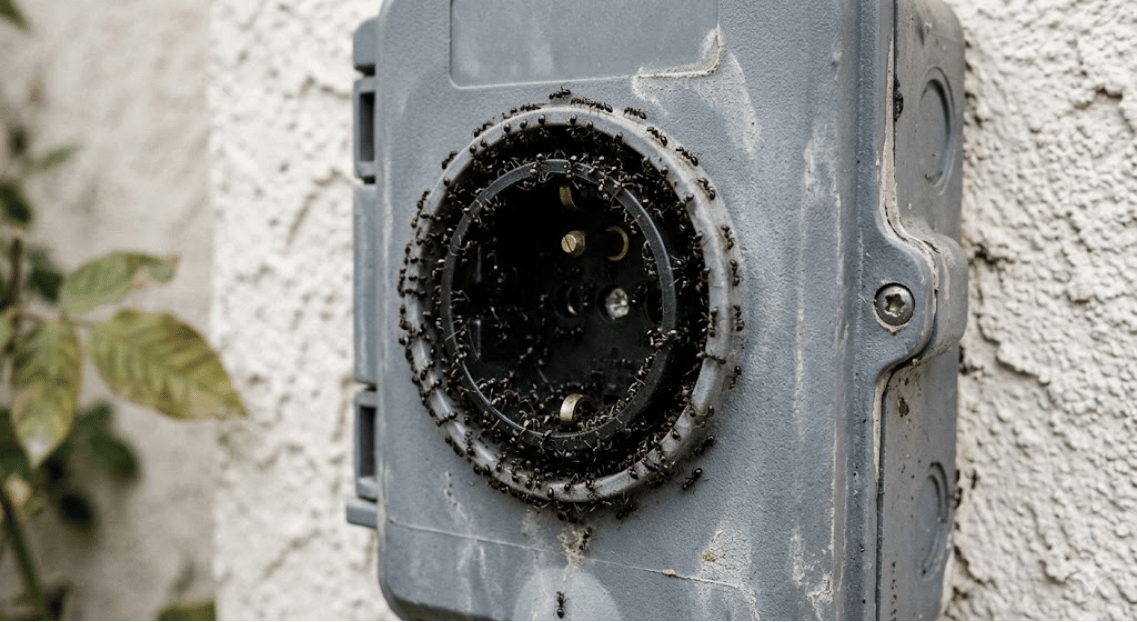
What to look for: Check for wasp nests (paper or mud) in the holster or along the mounting surface. Look for ants, spiders, or small debris tucked into the charging port itself.
The Danger: In Florida, insects like ants are attracted to the electromagnetic fields and warmth generated by flowing electricity. If debris or nests wedge between terminals, resistance increases, which produces excessive heat and can damage insulation or lead to a short circuit.
The Fix: Use a soft, dry brush or a can of compressed air to clear out the connector and the area around the unit. Never stick metal objects into the port!
2. The Connector Health Check: Look for "Winter Wear"
Even a mild Florida winter can be surprisingly hard on the plastics and metals of your charging cable. Dry air followed by salt-spray humidity (especially if you live near the coast) can lead to micro-cracks or oxidation.
What to look for: Inspect the charging handle for any cracks or "pitting" in the plastic. Check the metal pins inside the connector for a greenish or dull coating—this is a sign of oxidation.
The Danger: Moisture and salt-spray accelerate the corrosion of electrical contacts, reducing their conductivity. This makes your charger work harder and run hotter, which can eventually shorten the lifespan of sensitive internal electronics.
The Fix: If you see heavy corrosion, call a pro. For light dust, wipe the handle down with a soft, slightly damp (not wet!) microfiber cloth. Ensure it is completely dry before plugging it back in.
3. The Gasket & Mount Audit: Prep for Tropical Rain
Winter in Florida is our dry season, which means any tiny gaps in your charger’s weatherproofing may have gone unnoticed for months. With the daily spring downpours just around the corner, you need to ensure the unit is still watertight.
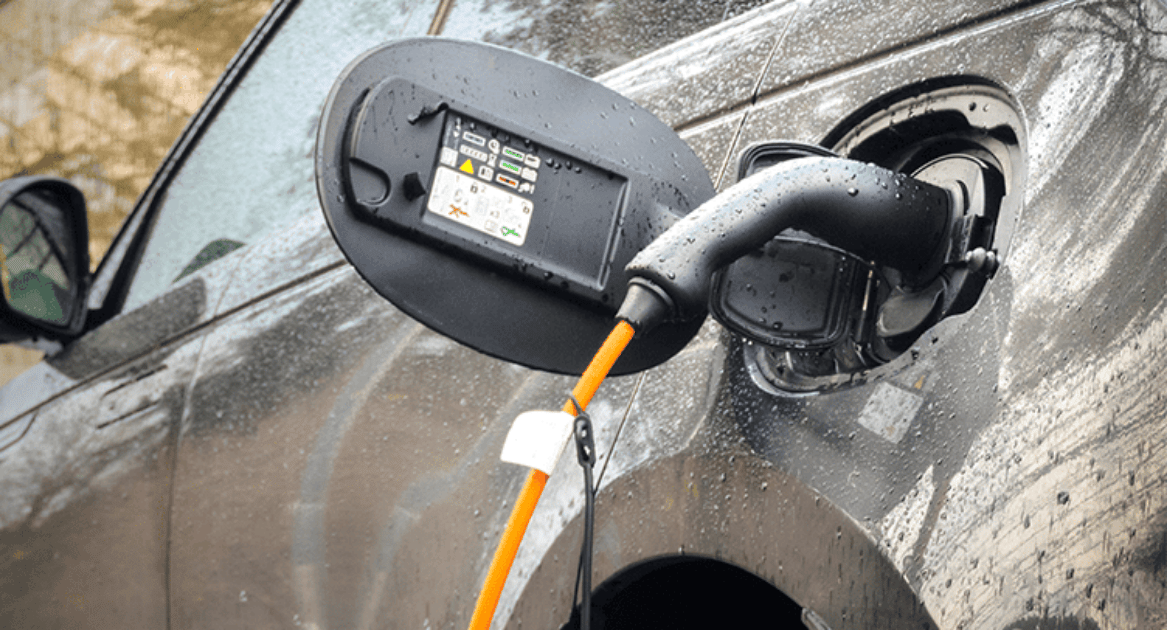
What to look for: Check the mounting screws to ensure the unit hasn't started to sag or pull away from the wall. Inspect the rubber gaskets or seals around the faceplate for dry rot or UV damage.
The Danger: Water ingress is a leading cause of equipment failure in outdoor systems. Even if your unit is rated for outdoor use, worn seals can allow rainwater to sneak inside, interrupting the current or causing safety shutdowns.
The Fix: Gently tighten any loose mounting screws. If you see condensation inside the display screen, it’s a sign that a seal has failed and needs professional attention before storm season peaks.
The Bottom Line
Your EV charger is the hardest-working appliance in your home, pulling more power than your AC and water heater combined. A quick seasonal check ensures that a small problem—like a stray lizard or a loose screw—doesn't turn into a $1,000 repair.
Sources
Circuit Doctors. (2024, March 19). 6 Spring Cleaning Tips to Revitalize Your EV Charging Station.
FieldEx. (2025). EV Charging Station Maintenance Checklist - 2025.
InCharge Energy. (2025, November 14). How Environmental Factors Affect EV Charger Performance.
Kennedy Electric. (2026, February 20). Bugs In Your Electrical Outlets: Causes and Solutions for Florida Homes.
PestNation. (2026). The Impact of Pests on Electronic Devices and Wiring.
Raycap. (2025, December 23). Why Environmental Conditions Make EV Charging Protection Essential.
Tru-Line Electric. (2024, March). Maintaining Your Home EV Charger: Essential Tips for Homeowners.
Woltio. (2026). Tips to Keep Your Electric Car Charger in Perfect Condition.
🔍 Information Disclaimer:This post contains information sourced from third-party experts. While we strive to share the most current data, EV technology and regulations evolve rapidly. This content is for general informational purposes and does not constitute a technical endorsement by Chargepros.
⚠️ Safety Notice:Electrical installations should only be performed by licensed and insured professionals. Improper installation can lead to fire hazards or void your vehicle's warranty. Chargepros is a licensed electrical contractor—let us handle the power so you can enjoy the drive.
