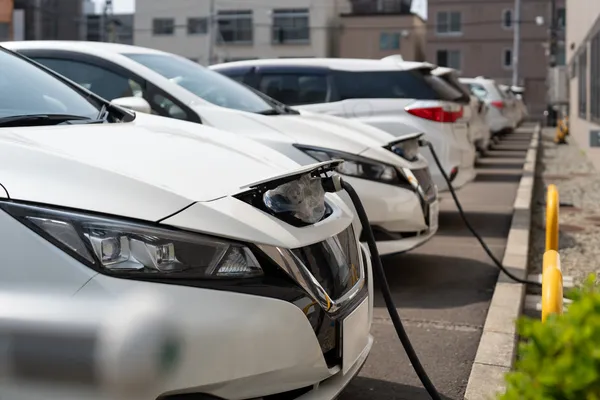
The Technical Social Contract: Why Professional Infrastructure is the Ultimate 2026 EV Etiquette
In 2026, the Florida electric vehicle landscape has reached a critical turning point. For the modern professional, owning an EV is no longer just about the drive, it is about managing a high-performance energy asset. The concept of etiquette has transitioned from simple politeness at a stall to a technical responsibility to the home, the neighborhood, and the electrical grid. Professional EV infrastructure and proper battery maintenance represent a commitment to grid resilience and property integrity.
1. Battery Chemistry Etiquette: Calibrating for Reliability
The most critical technical etiquette for 2026 involves understanding vehicle chemistry. Many new models, such as the 2026 Tesla "Project Redwood" and the Scout Traveler, utilize Lithium Iron Phosphate (LFP) batteries due to their durability and cost-efficiency (NX Technologies, 2026).
Unlike traditional NMC batteries, LFP cells have a very flat voltage curve, which makes it difficult for the Battery Management System (BMS) to accurately estimate the State of Charge (SoC) (NX Technologies, 2026). Consequently, LFP owners have a technical obligation to charge to 100% at least once per week to recalibrate the BMS. Failure to do so can cause the SoC reading to "drift," potentially leading to vehicles unexpectedly losing power in traffic—a breach of societal etiquette that causes congestion and safety hazards for other Florida motorists.
2. Infrastructure Etiquette: Securing the Home and Neighborhood
A major safety breach frequently observed in Florida is the use of unrated household extension cords for "DIY" charging. This practice is a significant fire risk and a tripping hazard for pedestrians.
Professional Level 2 infrastructure is the only method to secure a property’s electrical integrity. Certified installations ensure that a home's 240V system is engineered with proper load management and grid isolation to handle the high-amperage demands of modern EVs without overloading local transformers (Jahp, 2026). Societally, this prevents localized outages and ensures that a homeowner's insurance policy remains valid, protecting the collective property values of the neighborhood.
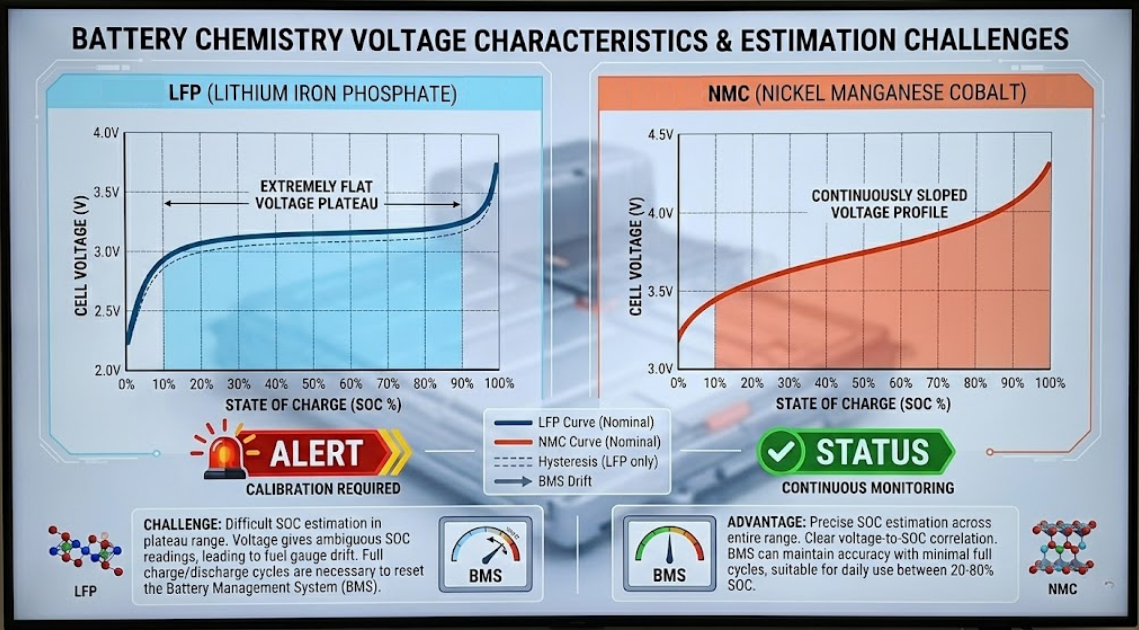
LFP vs. NMC battery voltage curve analysis highlighting the technical necessity of weekly 100 percent charging for BMS calibration.
3. Energy Etiquette: From Consumer to Grid Contributor
With bidirectional charging (V2H/V2G) becoming a standard in 2026 for vehicles like the Ford F-150 Lightning and GM Ultium models, the "social contract" now includes grid support (NuWatt Energy, 2026).
When a professional engineers a bidirectional system, the EV becomes a mobile battery that can power the home during peak utility hours or Florida’s storm-related outages. By discharging power back to the grid during high-demand periods, homeowners participate in Virtual Power Plants (VPPs) (NuWatt Energy, 2026). This collective effort stabilizes the grid for the entire community and can generate a technical ROI of $1,000 to $2,500 annually through time-of-use arbitrage.
4. Public Charging Etiquette: The 80% Efficiency Rule
Efficiency is the hallmark of the EV professional. Technical data shows that DC fast-charging speeds drop dramatically after a battery reaches 80% state of charge. Lingering at a high-traffic stall on I-95 or the Florida Turnpike to reach 100% is inefficient for the driver and prevents others from accessing the resource (Recharged, 2026).
Adhering to the "10-80% rule" ensures the fastest travel times and avoids idle fees, which typically range from $0.50 to $1.00 per minute.
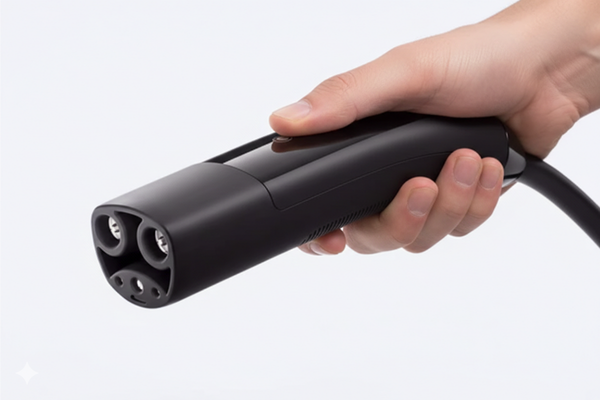
Universal NACS charging port integration on 2026 electric vehicles for enhanced public network accessibility
The Bottom Line
In 2026, EV etiquette is synonymous with technical precision. By investing in professional infrastructure, Florida homeowners optimize their vehicle’s lifespan, secure their property’s safety, and contribute to a more stable energy future for society.
Request a Professional Load-Management Audit
Is your home's electrical panel engineered for the bidirectional demands of 2026? Contact Chargepros for a consultation at [email protected] or request a custom quote HERE.
Sources
NX Technologies. (2026, February 16). Lithium Battery Chemistry: LFP vs NMC Explained - NX Technologies. https://nx-tech.com/insight-hub/lfp-vs-nmc-batteries/
reddit.com/r/Elektroautos/comments/1n3frur/tesla_model_y_lfp_akku_kalibrierung/?tl=en
Jahp, A. (2026, January 30). The 2026 NEC® and the future of electrical systems: EVs and EV supply equipment. STC - Solar Tech Collective. https://solartechcollective.com/the-2026-nec-and-the-future-of-electrical-systems-evs-and-ev-supply-equipment/
NuWatt Energy. (2026, April 10). Bidirectional EV Charging & V2H: Can Your EV Replace a Home Battery? https://nuwattenergy.com/en/bidirectional-ev-charging-v2h-2026
Recharged. (2026, February 26). Why does EV charging slow down at 80 percent? EV Charging Curves explained. Recharged. https://recharged.com/articles/why-does-ev-charging-slow-down-at-80-percent
🔍 Information Disclaimer:This post contains information sourced from third-party experts. While we strive to share the most current data, EV technology and regulations evolve rapidly. This content is for general informational purposes and does not constitute a technical endorsement by Chargepros.
⚠️ Safety Notice:Electrical installations should only be performed by licensed and insured professionals. Improper installation can lead to fire hazards or void your vehicle's warranty. Chargepros is a licensed electrical contractor—let us handle the power so you can enjoy the drive.
